
15Blog
Field notes on building worlds with agents
Guides on AI level design, engine pipelines and MCP — what works, what breaks, and the numbers behind generated environments.
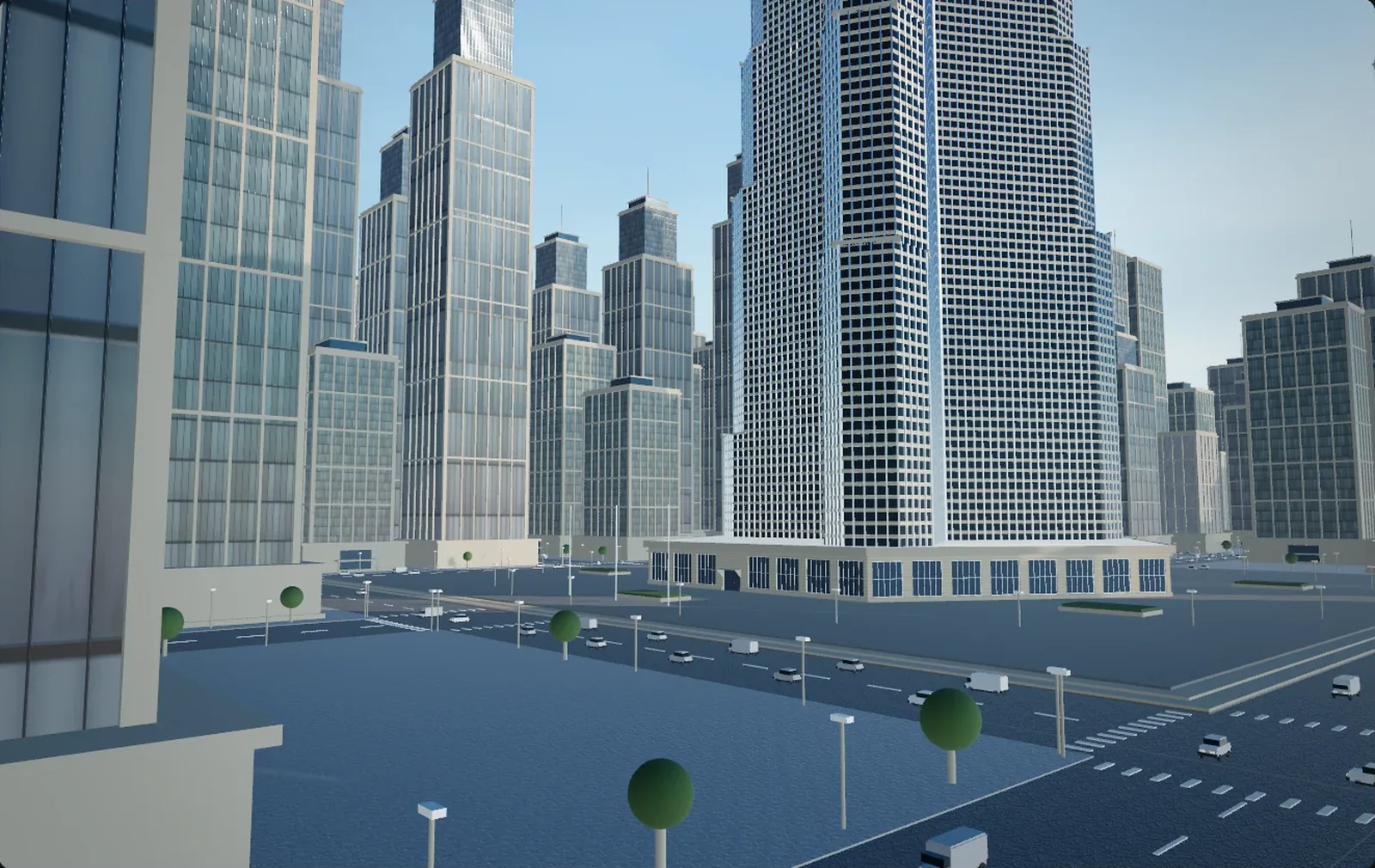
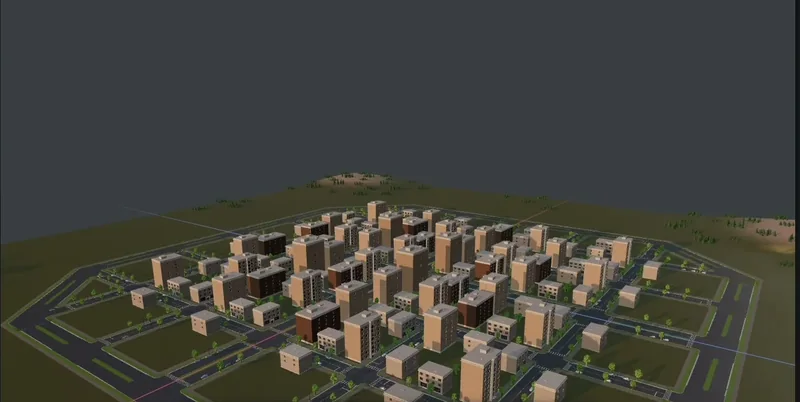
AI City Generator: Roads First, Then Blocks, Then Buildings
Generated cities look right from above and fall apart on foot. Road hierarchy, block sizes, frontage, junctions — the numbers that make a city read as a city.
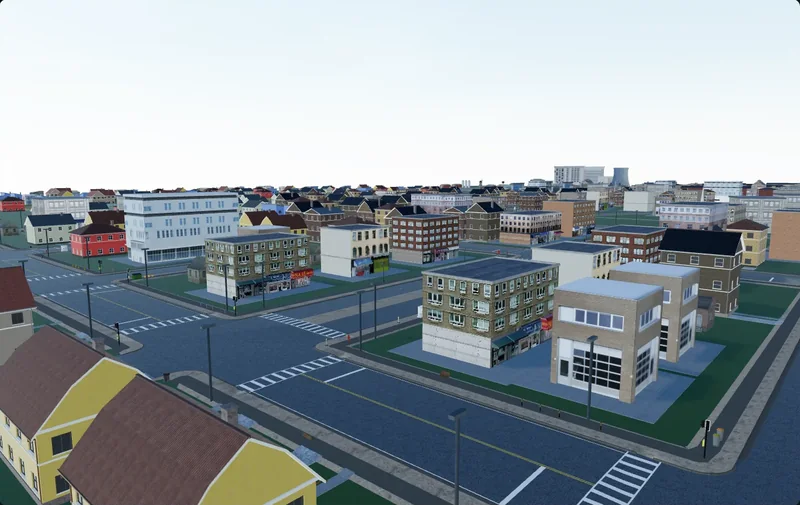
Import a GLB Environment Into Unity and Make It Playable
A generated GLB or FBX location lands in Unity in minutes. Making it playable takes import settings, colliders and lighting — here is the whole path.
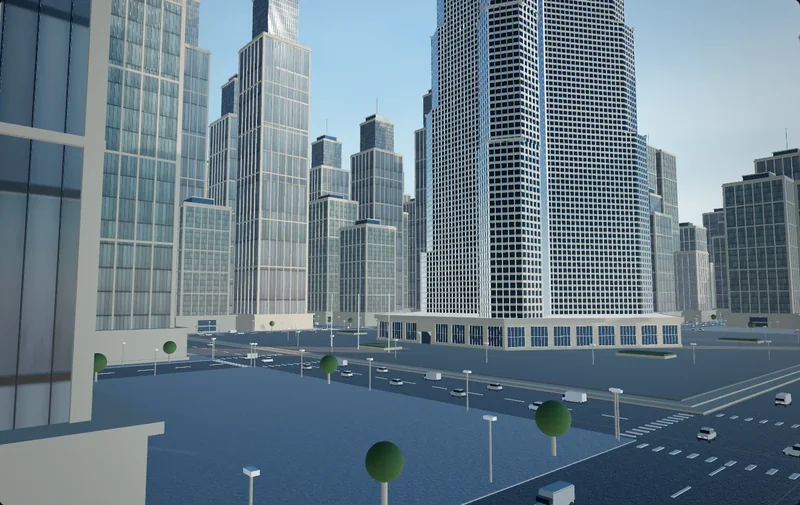
Importing an AI-Generated Level into Unreal Engine 5
You have a GLB of a whole district and a UE5 project. What to check on import: scale, Nanite, Lumen, collision, and why one big actor never streams.
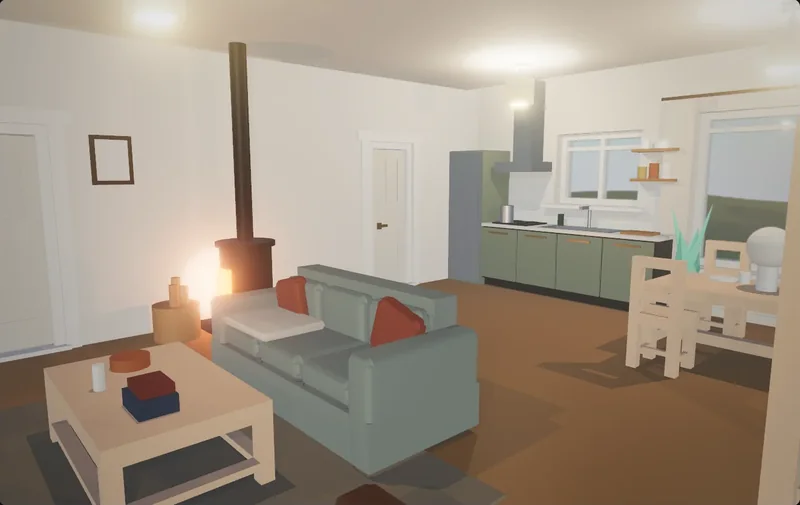
AI Interior Design in 3D: Why a Room Is Harder Than a Street
A room you can walk through is a different product from a picture of one. The clearances, the furniture graph and the lighting that decide which you get.
AI Level Design Tools in 2026: What Each One Actually Does
Five kinds of AI tool touch level design, and only some of them design anything. What each category produces, where it stops, and how to choose.
Blender MCP: What It Does Well and Where It Runs Out
An honest look at driving Blender with an AI agent: where Blender MCP wins outright, where its abstraction level costs you, and how to split the work.
Claude Code for 3D Modeling: What Actually Transfers
A terminal coding agent that builds 3D locations: how the connection works, the prompt that holds up, the verification loop, and where it fails.
Free Level Design Software: The Whole Stack in 2026
Every stage of a 3D environment has a free option in 2026. Here is the stack, what each licence actually permits, and where the free tier stops.
GLB vs FBX: Which Format to Hand Your Game Engine
What glTF/GLB and FBX each actually carry, where each one quietly loses data, and which to hand Unity, Unreal, Godot, Blender and the web.
AI-Generated Levels in Godot: From GLB to a Real Scene
Import a generated location into Godot as GLB, then give it collision, occluders, lighting and a re-import path that does not throw away your work.
How to Build a 3D Village with an AI Agent, Pass by Pass
From a blank scene to a walkable village in five passes: terrain, roads, plots, buildings, dressing — with the exact instructions to give an AI agent.
MCP Servers for 3D and Game Dev: Tool Design Is the Product
An MCP server that exposes run_python helps an agent with nothing. What separates a 3D tool surface an agent can actually use from one it cannot.
How to Optimize an AI-Generated 3D Scene for Games
Generated locations fail differently from hand-built ones. Measure first, then fix materials, instancing, LODs, textures and culling in that order.
Procedural Generation vs AI Agents: Which One You Want
Noise, grammars and WFC against an agent driving an editor. Determinism, scale, runtime and iteration cost — the axes that decide which one you need.
Text to 3D Scene: How One Prompt Becomes a Whole Location
Text-to-3D usually means one object at a time. Generating a whole scene — roads, buildings, terrain, light — is a different problem with different answers.